Events
President’s Debate 2026
Smarter. Faster. Better? Translating innovation into everyday orthodontic care
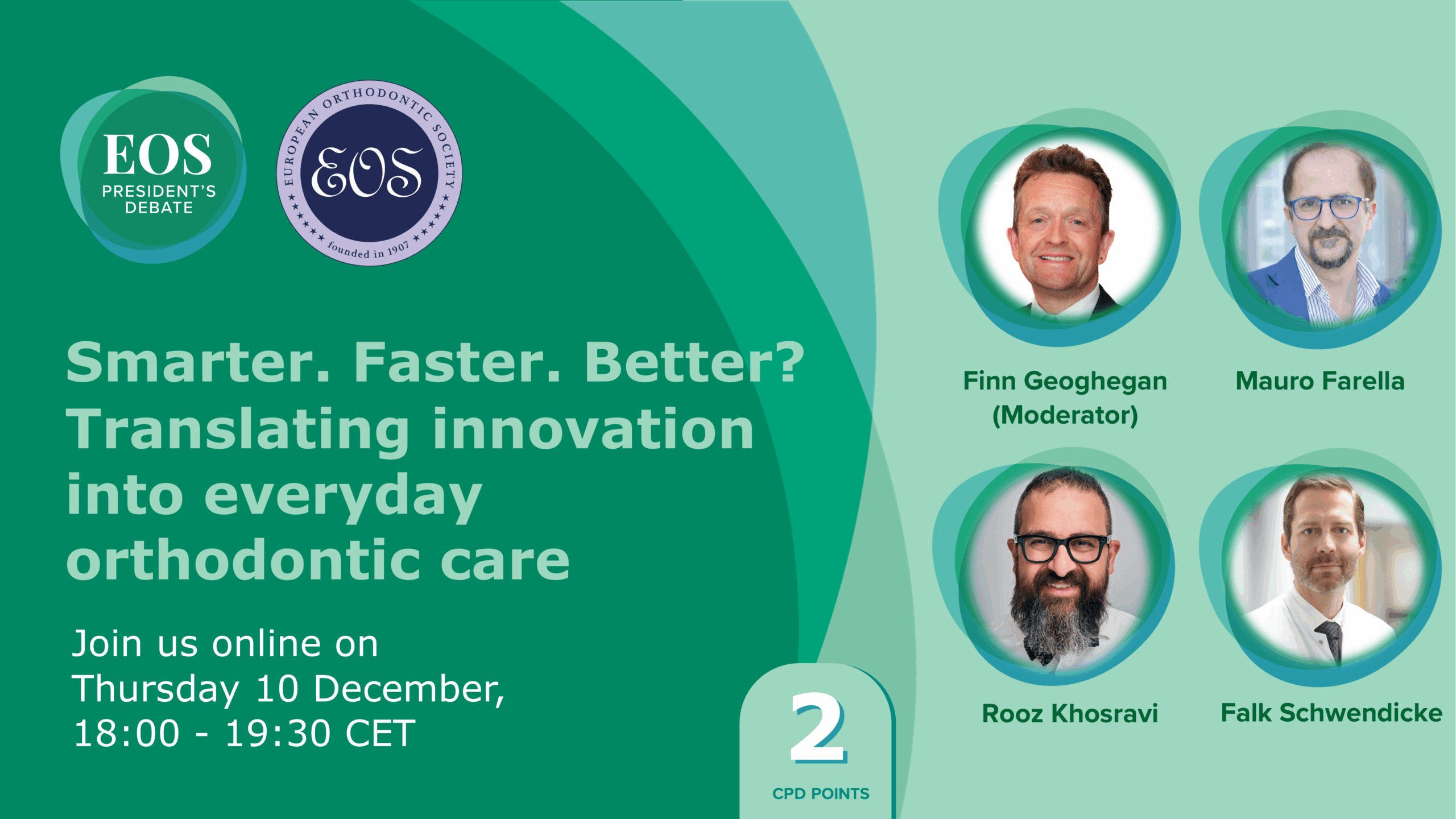
Thursday 10 December 18:00–19:30 CET
Does technology genuinely improve the quality of orthodontic care, or does it mainly change how efficiently care is delivered?
Innovation is transforming orthodontics. From digital workflows and emerging technologies to artificial intelligence, new developments promise to make treatment smarter, faster and better. But how much of this promise translates into meaningful improvements in everyday clinical practice?
This year’s European Orthodontic Society President’s Debate brings together three internationally recognised experts to critically examine what progress really means in contemporary orthodontics. The discussion will explore three complementary perspectives:
Better for whom? Patient-important outcomes and the experience of orthodontic care – Professor Mauro Farella (New Zealand) will explore what defines better orthodontic care from the patient’s perspective, examining treatment experiences, patient burden, expectations and quality of life. Are we measuring the outcomes that matter most to those receiving treatment?
Faster and more efficient? What improves everyday orthodontic practice? – Dr Rooz Khosravi (United States) will examine how emerging technologies are being integrated into clinical practice, questioning whether greater efficiency and streamlined workflows translate into meaningful improvements in the delivery of orthodontic care.
Smarter decisions? AI, validation, and clinical accountability – Professor Falk Schwendicke (Germany) will consider the growing role of artificial intelligence in clinical decision-making, exploring how intelligent systems should be evaluated and validated, and where professional judgement and clinical accountability must remain central.
Through concise expert presentations, a moderated discussion and audience questions, this 90-minute live debate will challenge assumptions, examine the evidence and consider how technological advances can be translated into better care for patients.
Join us for a thought-provoking discussion that goes beyond the promise of innovation to ask what really makes orthodontic care smarter, faster and better.
Registration
Registration fees are inclusive of 20% VAT and are non refundable. Payments must be made electronically by credit/debit card. EOS Members can benefit from discounted rates. To become a member, click here.
| CATEGORY | FEE |
| EOS Member | £39.60 |
| EOS Life/Student Member | £21.60 |
| Non-member Trainee | £54.00 |
| Non-member | £108.00 |
Moderator
Moderator
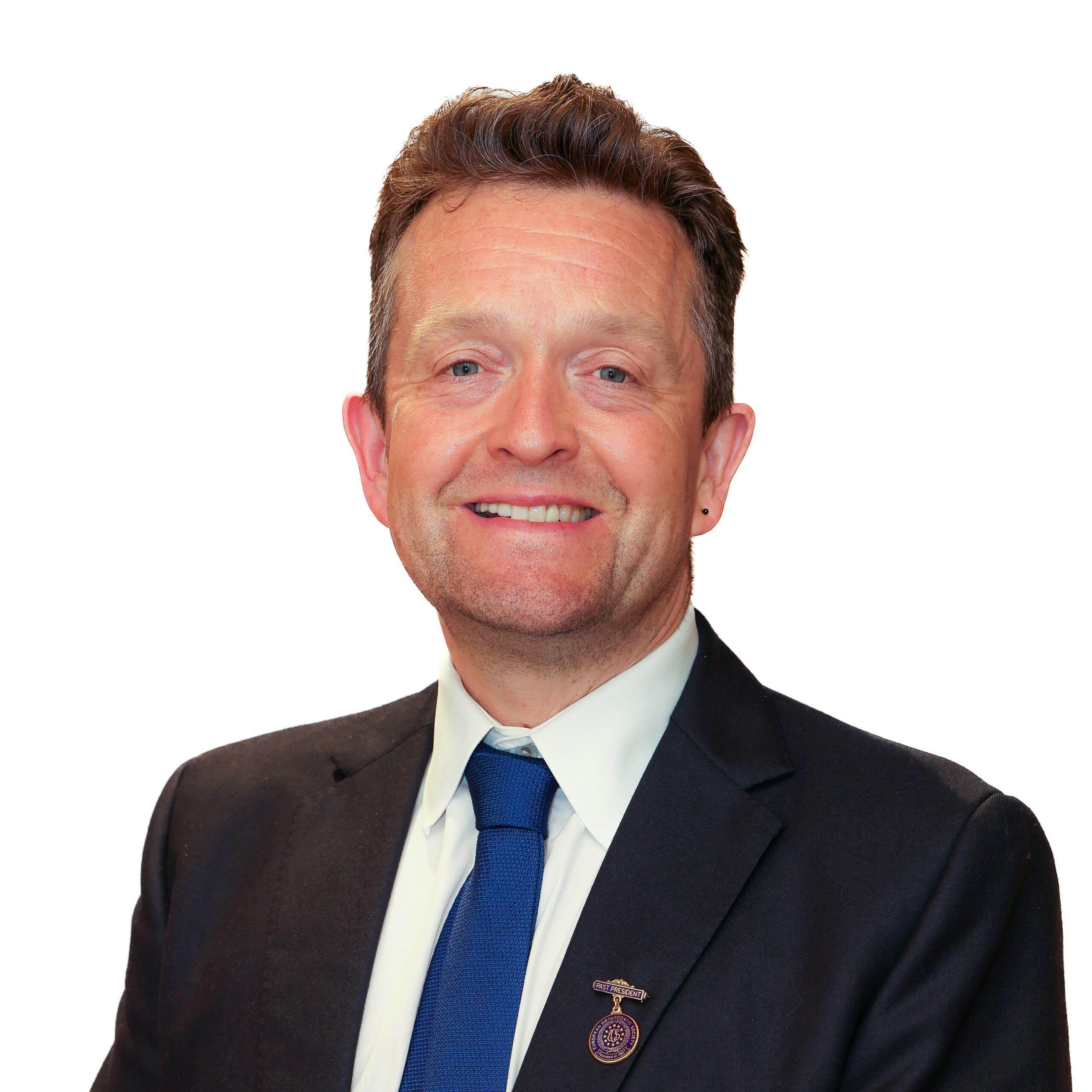
Finn Geoghegan
Following his graduation from Cork Dental School in 2002, Finn held a range of positions in private practice and in teaching hospitals in the United Kingdom and Australia. He undertook specialist orthodontic residency training in Hong Kong from 2006-2009. He received his membership diploma in orthodontics from the Royal College of Surgeons, Edinburgh, in 2011. He then returned to the UK where he completed a PhD in orthodontics and developmental biology in the Centre for Craniofacial and Regenerative Biology in King’s College, London, in 2017.
Finn has been a specialist orthodontist in private practice in Australia, the UK and Ireland since 2011. He is the principal orthodontist of a specialist orthodontic practice in Dublin, Ireland. In 2014, he received his ‘Approbation’ to practice as a specialist in Germany. He has lectured in both Europe and Asia His research interests focus on the basic science and clinical components involved in craniofacial development as well as orthodontic materials.
He is the recipient of the Cosgrave medal, Irish Dental Association (IDA), the Charley Schultz resident travel award, American Association of Orthodontists and the W J B Houston memorial research scholarship, European Orthodontic Society (EOS). He is a member of the IDA, the Orthodontic Society of Ireland, the EOS, the Craniofacial Society of Great Britain and Ireland and the Society for Developmental Biology
Speakers
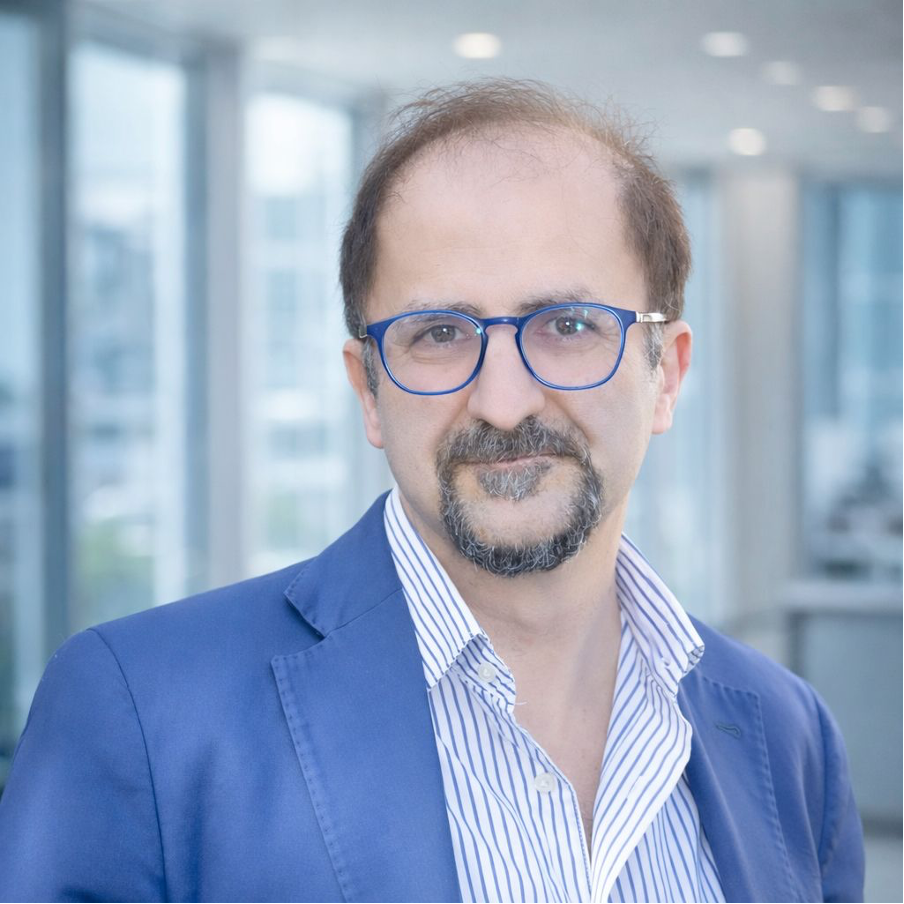
Professor Mauro Farella
University of Otago, New Zealand
Professor Mauro Farella is Professor and Head of Orthodontics at the University of Otago, New Zealand, where he leads New Zealand’s only specialist postgraduate programme in Orthodontics and directs the Orthodontics and Craniofacial Research Programme at the Sir John Walsh Research Institute.
His research focuses on clinical orthodontics, craniofacial growth, orthodontic biomechanics, oral function, temporomandibular disorders, bruxism, and emerging digital technologies. He has published more than 200 peer-reviewed papers and has presented his research in over 25 countries.
Professor Farella’s scientific contributions have been recognised through several distinctions, including the IADR Alan Docking Award and the Sir John Walsh Award. He has also received the University of Otago Research Supervisor of the Year Award for his contribution to postgraduate research training.
He serves as Associate Editor of Orthodontics & Craniofacial Research and on the editorial boards of several international journals. Alongside his academic and research activities, he is a registered specialist orthodontist in New Zealand and Italy.
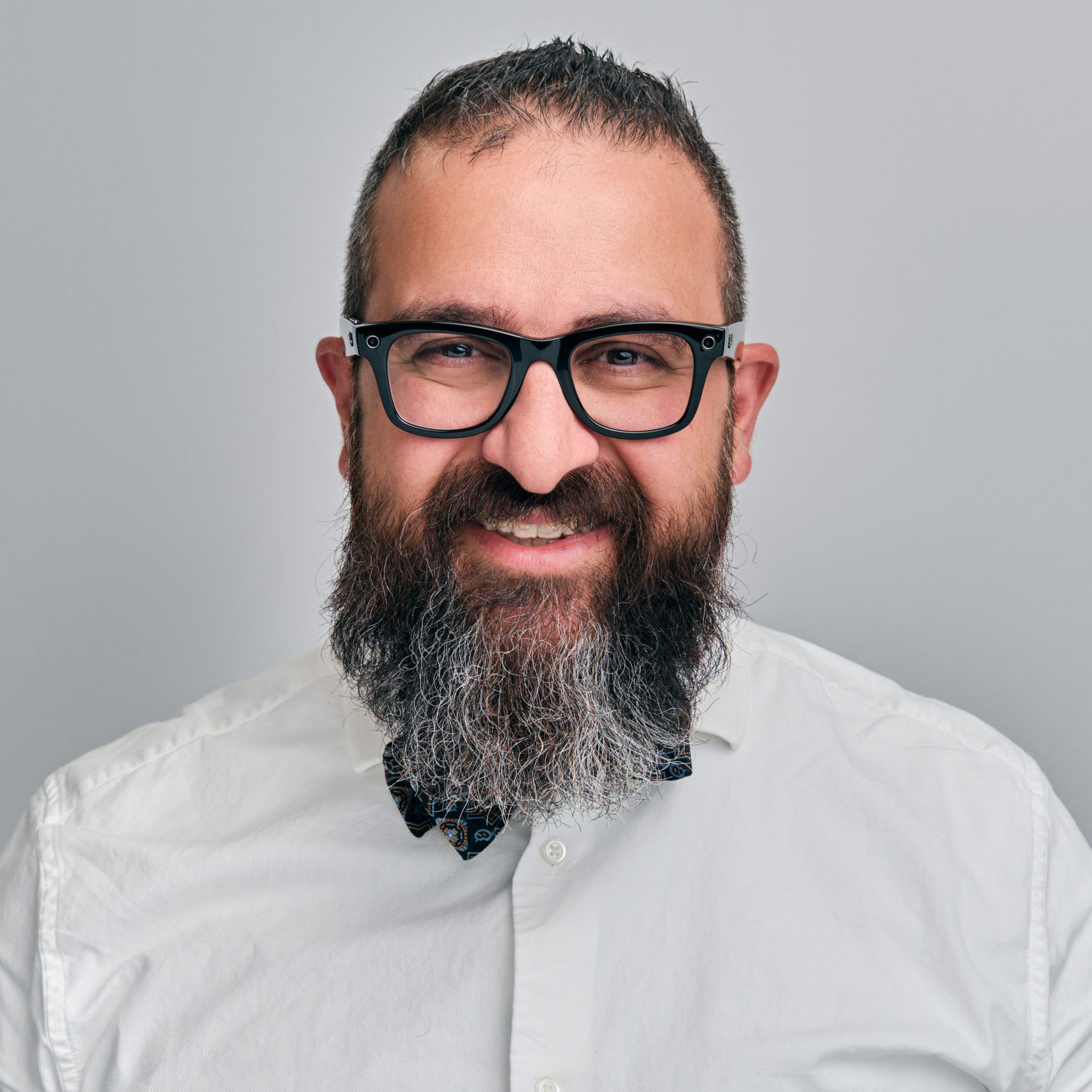
Dr. Rooz Khosravi
University of Washington, USA
Dr. Rooz Khosravi is an associate professor of orthodontics at the University of Washington. He supports the department’s work in digital technology and directs the interdisciplinary seminar series and clinic, which brings together orthodontics, pediatric dentistry, periodontics, and prosthodontics. He also runs several research projects on AI-driven tools for both clinical treatment and administrative workflows, and holds two patents related to clear aligner therapy and digital braces. He has a private orthodontic practice in Washington and founded the Digital Orthodontic Hub (DOH), a study club on 3D printing and the integration of AI in orthodontics.
His clinical and research interests include clear aligner therapy, in-office aligners, dental 3D printing, and pediatric sleep-related breathing disorders. For the past two years he has focused on how artificial intelligence will shape the future of orthodontics as the specialty becomes increasingly digital. He is especially interested in a new generation of practice operations powered by AI agents, which handle routine scheduling, communication, records, and treatment coordination so the team can focus on patient care. That focus led him to co-found Berry Studio, a next-generation patient management platform for orthodontic practices. He has also advised companies such as uLab Systems, Bay Materials, Grin, and SprintRay.
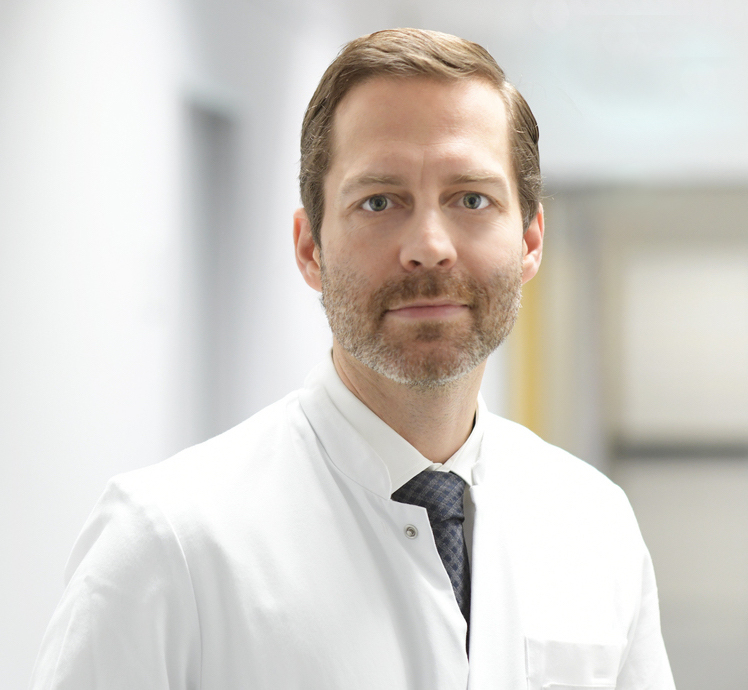
Professor Falk Schwendicke
Ludwig Maximilian University Hospital, Munich
Professor and Director of the Clinic for Conservative Dentistry, Periodontology and Digital Dentistry at the Ludwig Maximilian University Hospital in Munich. Prof. Schwendicke’s research focuses on restorative and preventive dentistry, dental diagnostics and artificial intelligence, health economics, health services research and public health. He has authored over 700 articles, 300 abstracts and 30 book chapters and has been invited to give over 300 lectures worldwide, including the Buonocore Memorial Lecture. Prof. Schwendicke has received a number of prestigious awards and is a reviewer for over 40 journals, including the Lancet and the New England Journal of Medicine, as well as for various national funding organisations. He is Associate Editor of the Journal of Dental Research and heads working groups at the World Health Organisation WHO, the World Dental Organisation FDI, and the International Standards Organisation ISO. Prof. Schwendicke holds honorary professorships at the Universities of Aarhus (Denmark), Zagreb (Croatia) and Chennai (India). He has been one of the most cited researchers in dentistry worldwide for several years (Stanford ranking <1%).